
Ashland County Inmate Population
Ashland County inmate population searches usually begin with the sheriff's office, then shift to state tools if the county jail does not show a live match. The county jail keeps custody and care for inmates in Ashland County, and the local search is often the fastest way to confirm who is inside. When the search is broader, WCCA, VINE, and the DOC locator help sort county jail custody from state prison supervision. That matters here because the county system and the state system hold different pieces of the record trail.
Ashland County Inmate Population Search
The Ashland County Sheriff's Office maintains the jail records and inmate files. Its role is direct and simple. If you need custody status, the office is the first call. The county section in the sheriff's office resources says the jail and records sit with that office, which makes it the main local source for current inmate population questions.
If the person is under state supervision, use the Wisconsin DOC Offender Locator instead. It covers current prisoners, parolees, probationers, absconders, escapees, and discharged offenders. The search starts with a full last name, then returns the offender's basic record page with demographic and status tabs. That tool is important in Ashland County because the local jail does not hold everyone who has an Ashland case history. The DOC locator gives the county of commitment and can point you back to the right institution or supervision office.
When you need a case trail, Wisconsin Circuit Court Access shows the criminal case behind the custody record. It is especially useful when you know the name but do not know whether the person is in jail, prison, or out on supervision. A case docket often settles that question faster than a phone call.
Note: Ashland County jail records, DOC supervision records, and court files each answer a different part of the same question. Check all three if the first search is thin.
Ashland County Jail Records
The jail opened on February 24, 2001, and the county describes it as a modular facility with room for 127 inmates. The staff count, average daily population, and booking pace make it a working jail, not a small holding room. The research notes 34 officers, about 110 inmates on an average day, and around 1,750 bookings each year. That tells you the record flow can be steady, and it also explains why a live status check matters before you rely on an old printout.
The jail has kept a 100 percent rating with the Bureau of Adult Detention for the last eight years in the research snapshot. That is not just a badge. It means the facility is built around the minimum standards Wisconsin expects for jail operations. Ashland County also lists counseling, education, medical care, psychological services, library access, commissary, recreation, and community service projects. Those services shape the inmate population record because they show how the jail manages people while they are inside.
Work release is different. The research says that program has been suspended indefinitely. That kind of note is useful because it tells you not to assume every jail service is active just because it appears in older paperwork. If you are checking a current custody record, ask the jail what is live now and what is paused.
- Alcohol and drug counseling
- Anger management and parenting support
- G.E.D. and life skills classes
- Medical and psychological services
- Library, commissary, and recreation access
Ashland County Inmate Population and Records
For a local records request, start with the sheriff's office. The county page says the office maintains inmate records, and the jail page in the research adds that the office is responsible for custody and care. That means the same desk that answers the jail question also controls much of the file flow. If you need a status check, call the main office first. If you need a court record, move to WCCA. If you need a state prison record, use the DOC locator.
Ashland County also sits inside the larger Wisconsin records system. The DOJ Office of Open Government and the public records law both support the idea that records are open unless a law says otherwise. For an inmate population search, that means you can ask for the public part of the record without having to guess at the right form first. If the file is limited, the office should still tell you why.
The jail and state systems do not overlap cleanly. A person can be in jail, on DOC supervision, or moved to a state institution. That is why Ashland County inmate population searches work best when you check local custody, then court history, then DOC status. The sequence is short, but it covers the most likely records.
When a person has a state prison record, the Federal Bureau of Prisons locator is only useful if the custody is federal. Otherwise, the DOC tools are the right path. That distinction saves time and keeps the search focused on the right system.
Because Ashland County has no local success image in the manifest, the state resources below help anchor the page in the right system. The Wisconsin DOC adult institutions page shows the state prison network that may hold people with Ashland ties.
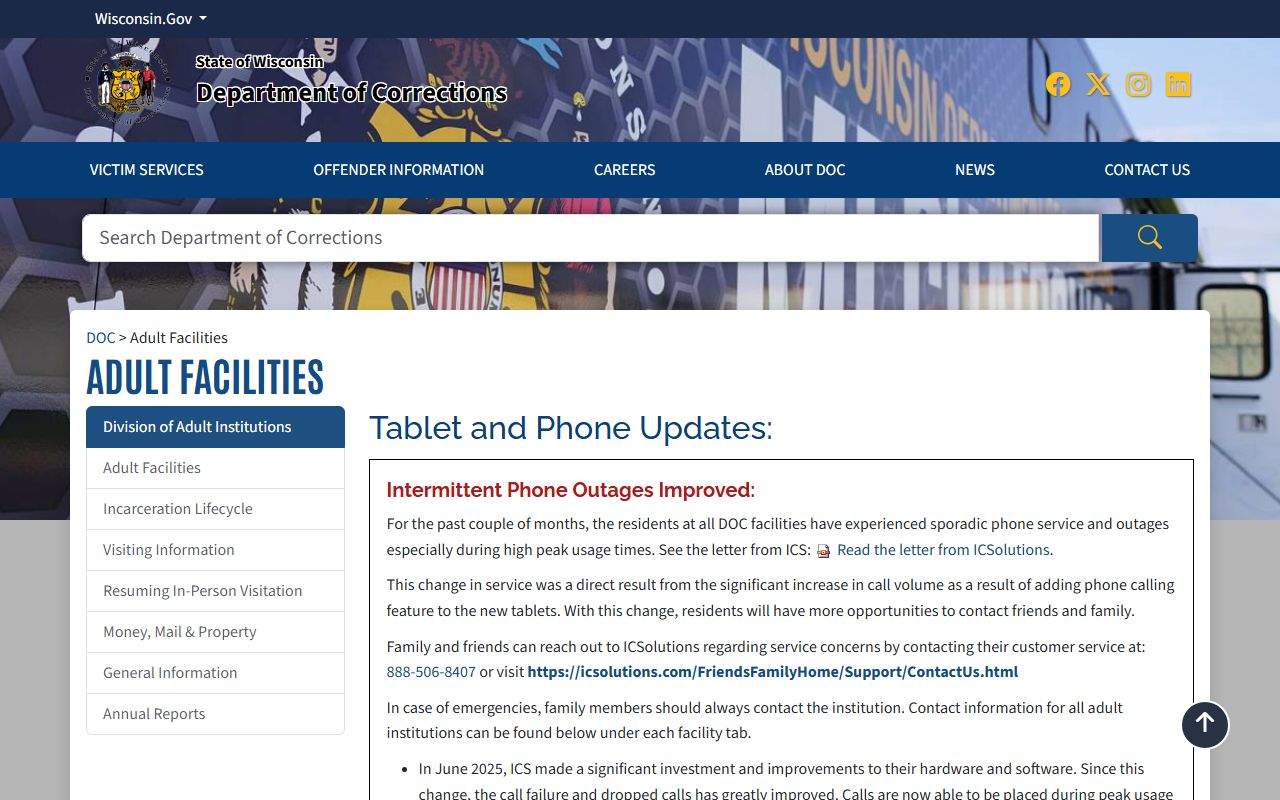
That source is helpful when the search leaves county jail custody and moves into prison placement.
Victims and family members can also use VINE and the NOTIS guidance page at NOTIS and VINE guidance to see how incarceration status updates work and why the notification system is useful when a person moves or is released.
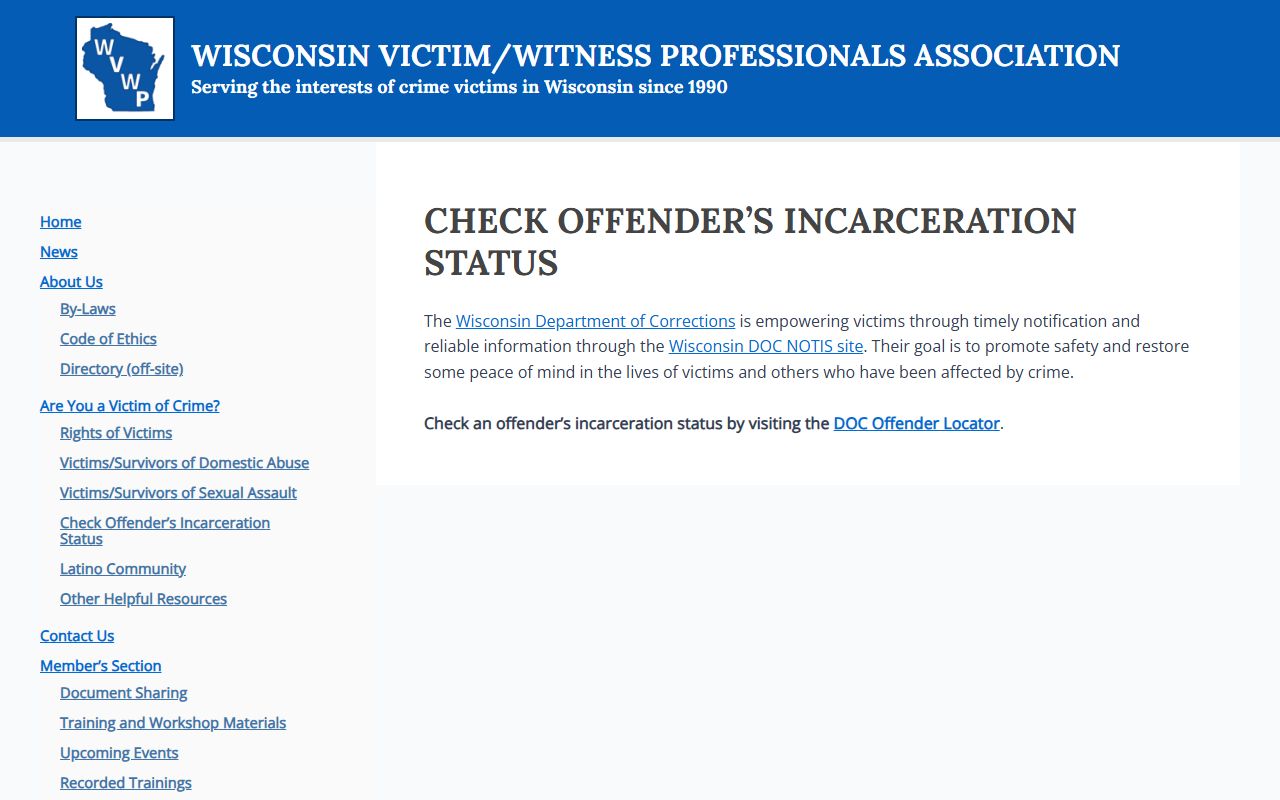
That kind of alert is not a replacement for WCCA or the sheriff, but it helps keep the status picture current.
If you want a broad jail system reference, the Wisconsin Counties Association jail information page shows how county jails vary across the state. Ashland County fits that pattern. The jail is local, but the search path still crosses county, state, and court records.
That broader view helps explain why a county inmate population search often needs more than one source.