
Search Marathon County Inmate Population
Marathon County inmate population searches are useful because the county jail uses an inmate catalog that includes status, docket number, and bond details. That gives the search a different feel than a simple roster. It is still a county custody search first, but it also carries enough court-like data to help match the person to a case. Marathon County sits in Wausau, so the jail and the courthouse are part of the same local record picture. When the county record is not enough, WCCA and DOC fill the gap.
Marathon County Inmate Population Search
The Marathon County Jail is at 500 Forest Street in Wausau, and the research says the inmate catalog includes name, description, status, docket number, bond type, bond status, and bond amount. That gives users a real custody snapshot instead of a thin name-only list. Marathon County also has a juvenile detention facility on Packer Drive, which means the county jail and the wider detention system are both part of the local records picture. If the person is in the jail catalog, the county answer is usually clear right away.
The county sheriff page at Marathon County Sheriff's Office and the county government page at Marathon County Government help anchor the search. The county jail list is a practical starting point, but the court docket still matters when the case has moved forward. Wisconsin Circuit Court Access shows the public case trail, and VINE helps with status changes that the catalog may not capture in real time.
The state DOC locator is the next step when the county phase ends. It covers prisoners, probationers, parolees, discharged offenders, and some people who have absconded or escaped. That is useful in Marathon County because a county booking can move quickly into a state sentence. The county catalog says where the person is now, and DOC says whether that person left county control and entered the state system. Those two records work well together.
Marathon County Jail Records
Marathon County jail records are more detailed than a basic roster because the catalog includes status and bond fields. That makes it easier to tell whether the person is waiting on court, held on bond, or already in a different custody phase. The sheriff's office maintains the county jail and inmate records, and the jail contact is part of the record path even when the catalog is not enough. If you need a copy or a custody update, the office itself is still the best source.
State public-record guidance still matters here. Under Wis. Stat. 19.35, records are generally open, but agencies can withhold records when safety or security would be harmed. The Wisconsin DOJ Office of Open Government and the Wisconsin State Law Library help explain how to shape a request when you need a copy or an older record. That is important in Marathon County because the catalog is useful, but it does not replace a formal request for every kind of file.
Marathon County also uses the sheriff and court system as part of the same local network. A person booked into the jail may later show up in the docket and then in DOC. That is why the county page should be read as a trail rather than a single answer. One record tells you where the person is. Another tells you what the case became. A third tells you whether the person is still under state control.
For a request, keep it focused on the name and the docket number if you have it. The county catalog already gives you a lot, so a narrow request tends to move faster than a broad one. That is the cleanest way to use Marathon County inmate population records.
Marathon County Inmate Population Images
The DOC locator is the best state fallback when the county catalog is not enough. See Wisconsin DOC Offender Locator for the prison and supervision search.
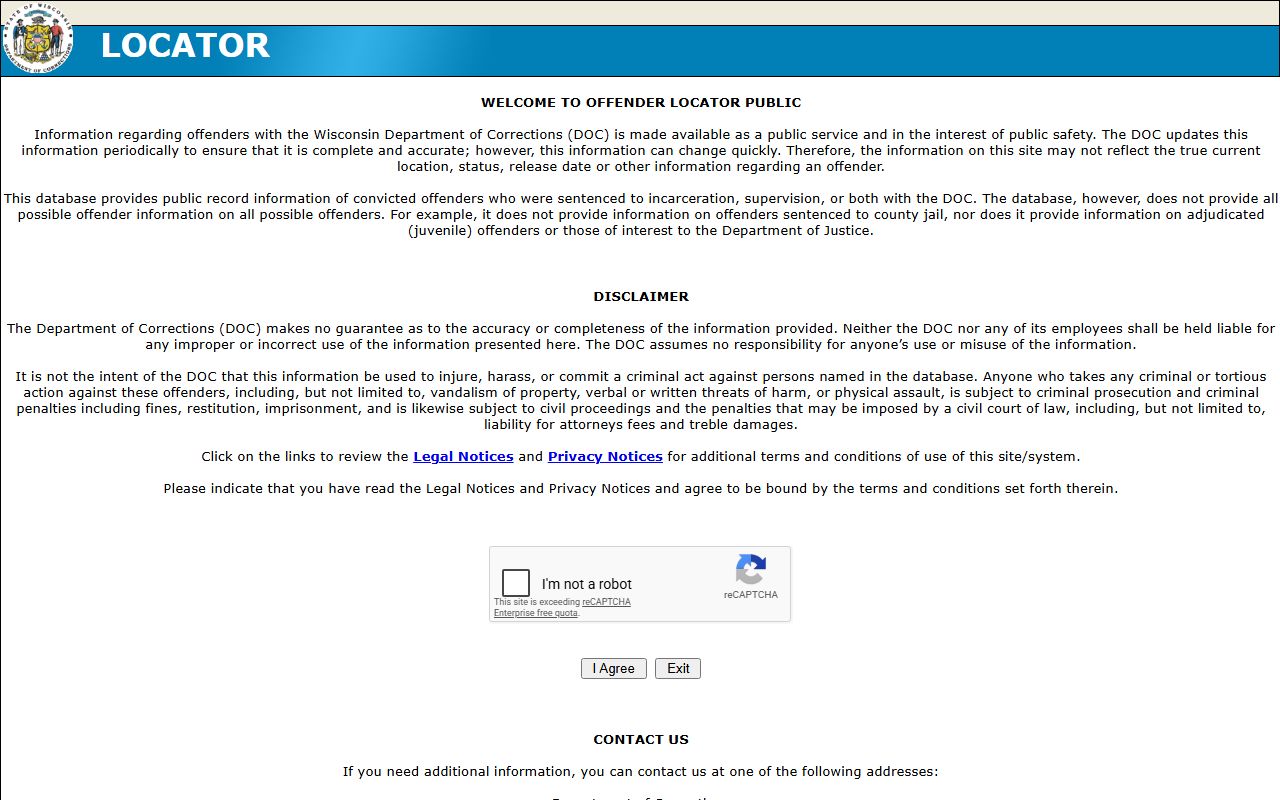
That image fits because Marathon County cases often move into the state system.
The court docket is the next statewide layer. See Wisconsin Circuit Court Access for the public case record.
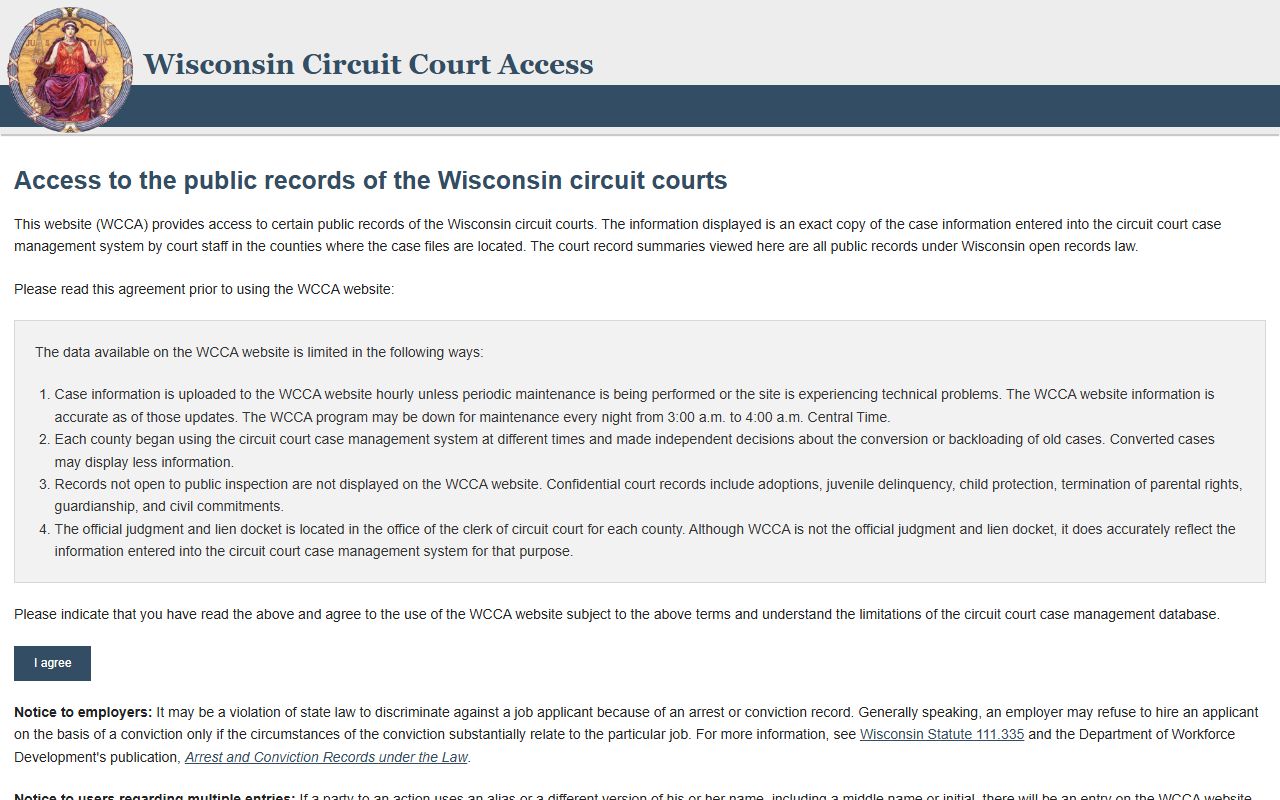
CCAP keeps the case visible after the jail catalog changes.
VINE helps track custody changes after the booking. See VINELink for status alerts.
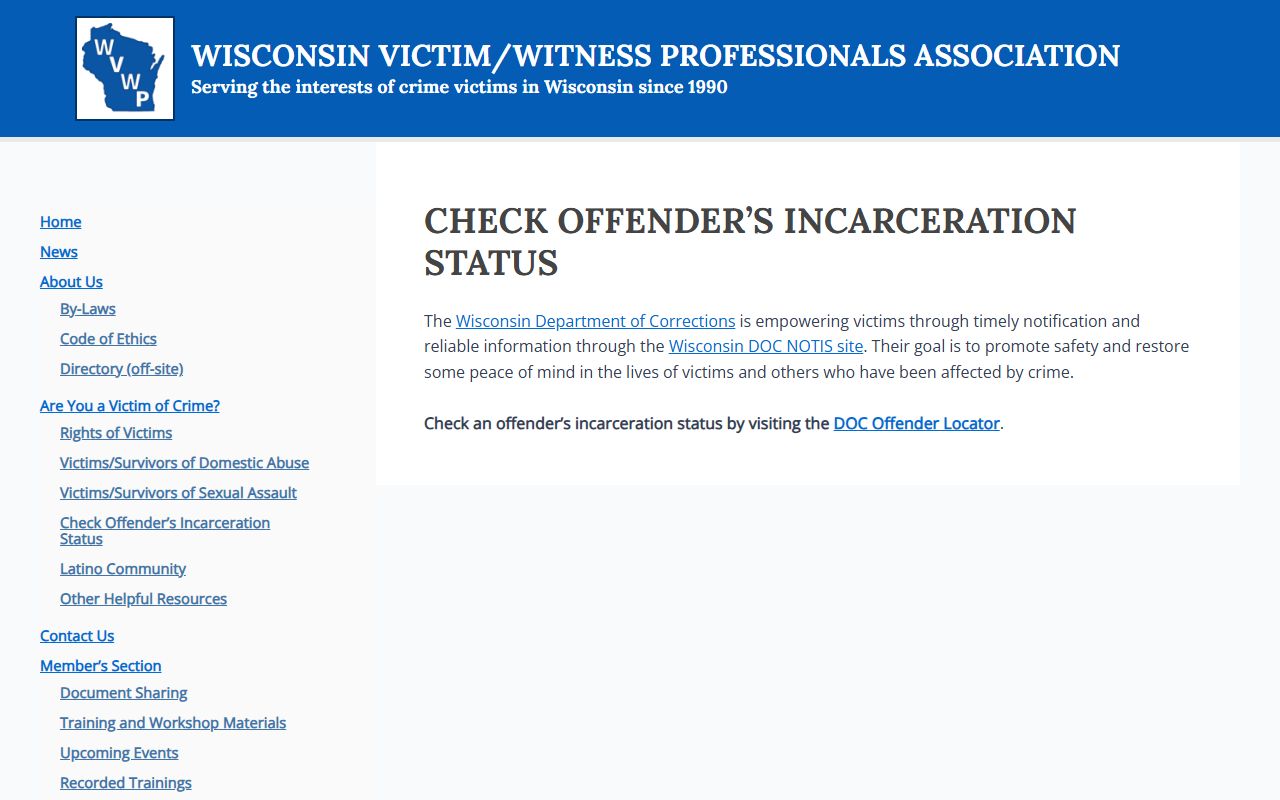
That image matches the notification side of the search.
Public-record guidance is useful when the county record is not enough. See Wisconsin DOJ Office of Open Government for request help.
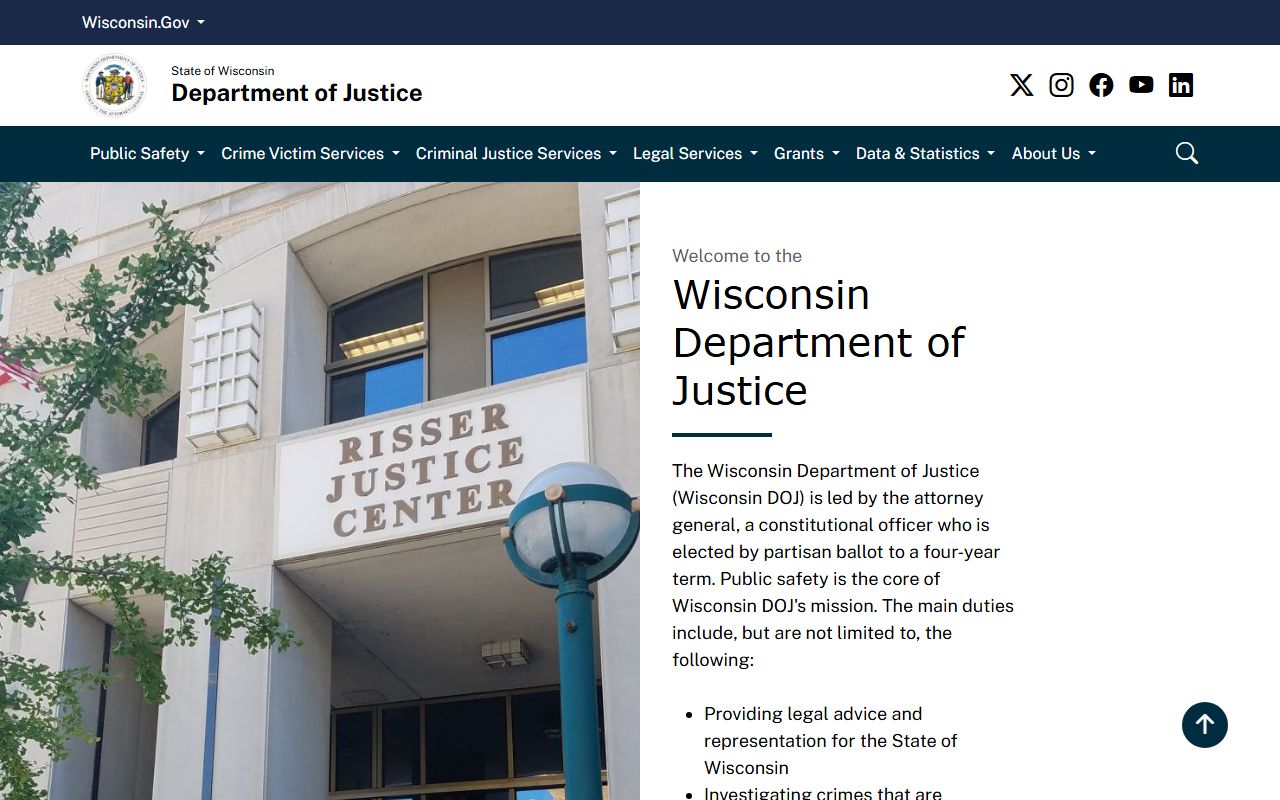
That state image works well for a request-based search.
Community corrections matters when a case leaves jail but stays under DOC supervision. See DOC Community Corrections for the supervision layer.
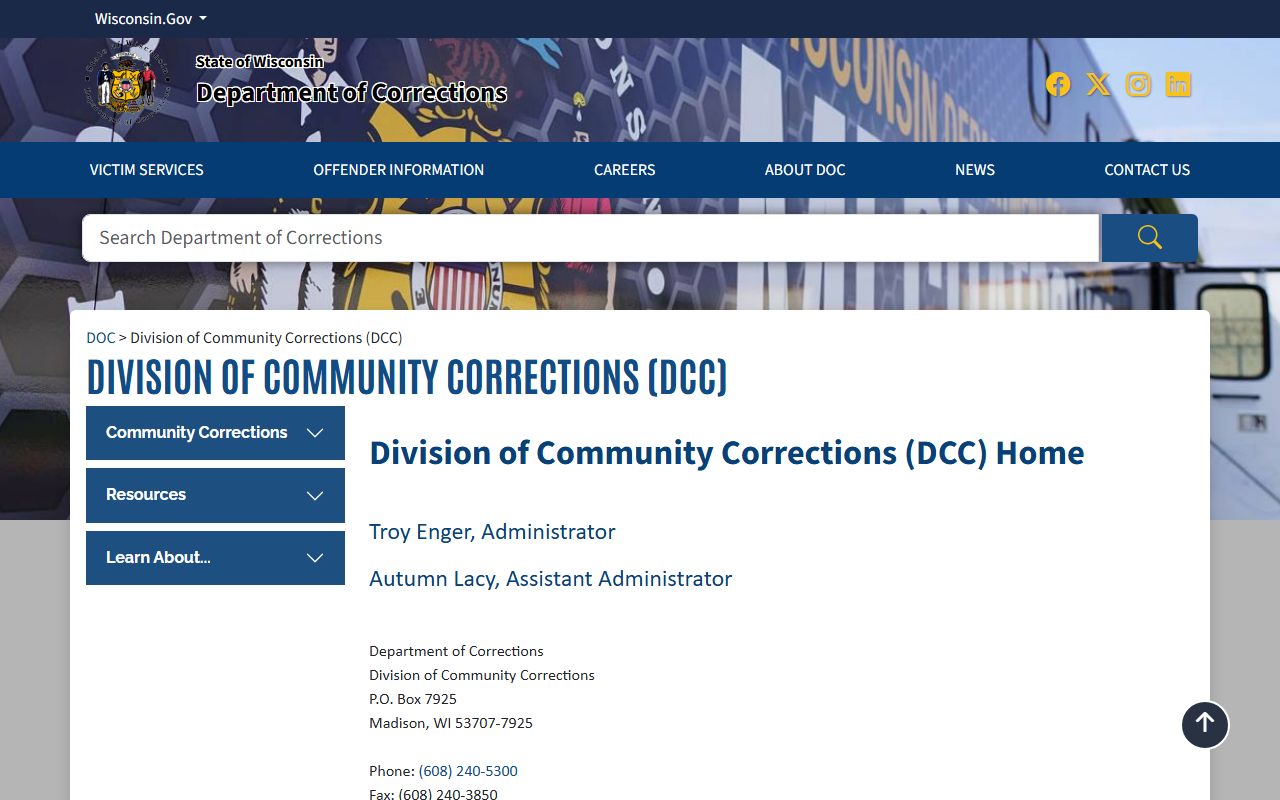
That image fits the post-jail side of a Marathon County search.
Marathon County Inmate Population and Courts
Marathon County court records explain the case behind the catalog entry. WCCA shows the charges, hearing dates, and the public outcome after the booking. That is especially helpful in Marathon County because the catalog already gives a bond and status field, so the court docket can finish the story. If the person is no longer in jail, the docket may still show the legal path that led to release, transfer, or sentence.
The county system also fits the broader Wisconsin custody pattern. A county booking can move into DOC custody or community supervision, and that is where the state locator becomes the better source. The county jail says what happened locally. The court docket says what happened legally. DOC says what happened after the county phase ended. Marathon County inmate population searches are easier when those three records are used together.
Note: Marathon County inmate population searches are clearest when you check the jail catalog first, then use WCCA and DOC to follow the case.
Marathon County Public Records
Marathon County inmate population records are part of Wisconsin's public-record system, but the request still needs to go to the right office. The sheriff handles custody, the court handles case history, and the county government page helps route the user to the correct office. That division is useful because the catalog is detailed enough that a user can often tell which office to ask next.
The State Law Library and the DOJ open government office are the best references when a request needs to be made in writing. They keep the process plain. That matters in Marathon County because the right record is often already split across jail, court, and DOC. A focused request is more efficient than a broad one, and it keeps the county from having to guess what the user wants.